Frequently Asked Questions (FAQ)

1. What regulations govern lead paint preparation in Portland, Oregon?

In Oregon, lead-safe work practices for homes built before 1978 are regulated by the Oregon Health Authority (OHA) and the Construction Contractors Board (CCB) under state-administered EPA Renovation, Repair, and Painting (RRP) requirements. Contractors performing paid renovation work must hold an active CCB Lead-Based Paint Renovation (LBPR) license

Before work begins, contractors must take several steps to protect occupants, workers, and surrounding areas:

  • Pre-Renovation Education: Property owners and tenants must receive the EPA’s Renovate Right pamphlet.
  • Site Containment: Floors and ground areas are covered with heavy-duty plastic sheeting, typically extending 5–10 feet beyond the work area. Windows, doors, and HVAC vents are properly sealed.
  • Warning Signs: Clear warning signs are posted at entrances to prevent unauthorized access.
  • Personal Protective Equipment (PPE): Workers use appropriate PPE, including HEPA-filtered respirators, protective eyewear, and disposable protective clothing.

requirements. Contractors performing paid renovation work must hold an active CCB Lead-Based Paint Renovation (LBPR) license

Certain methods that can generate dangerous amounts of lead dust or fumes are prohibited, including:

  • Open-flame burning or torching.
  • Heat guns operating above 1,100°F (593°C).
  • Dry scraping or dry sanding without appropriate HEPA vacuum attachments.
  • Uncontained high-pressure water blasting.

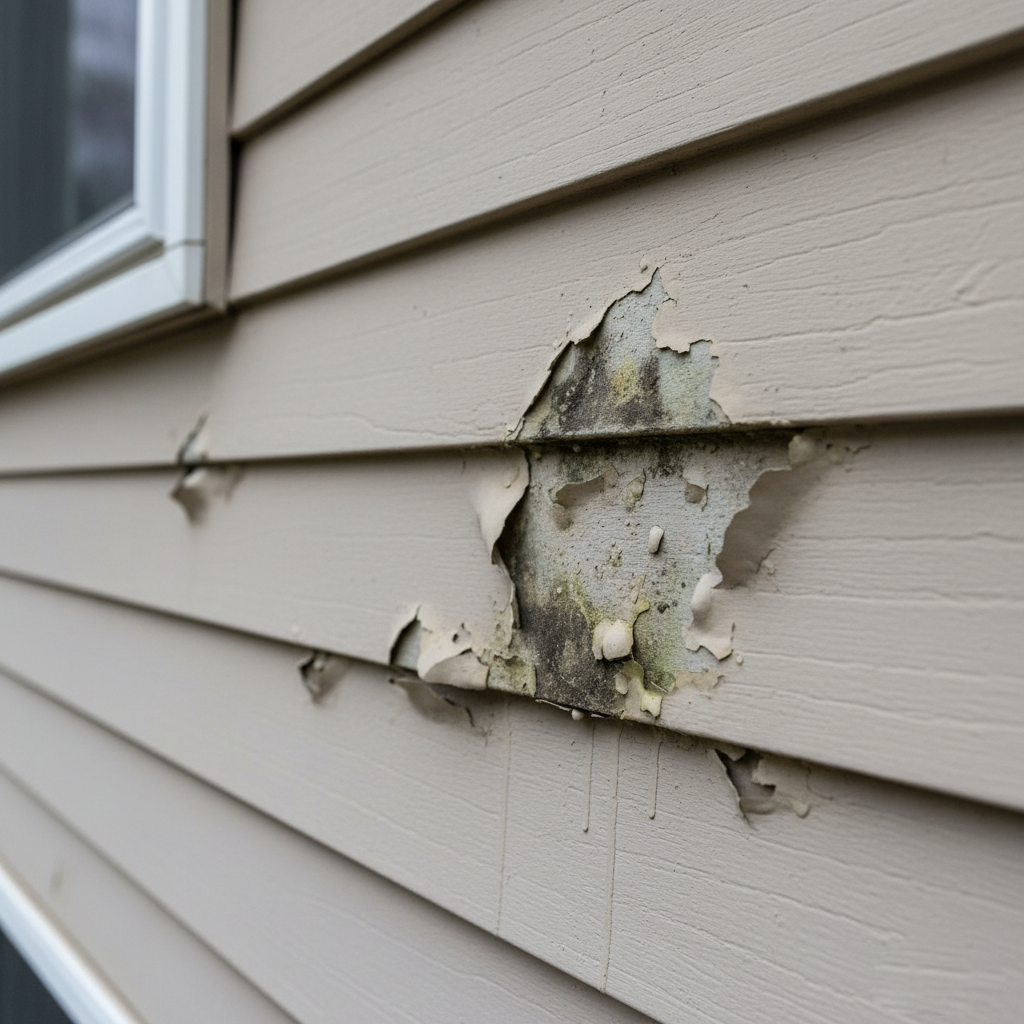
Lead-painted surfaces are prepared using methods designed to minimize the release of lead dust. Depending on the surface and project requirements, contractors may use wet scraping, wet sanding, or specialized power tools equipped with shroud attachments connected to HEPA-filtered vacuums.

These methods help capture lead dust at the source and reduce the risk of contamination.

Proper cleanup is an essential part of lead-safe work practices. The process typically includes:

  • HEPA Vacuuming: All affected surfaces, containment materials, ledges, and other areas are thoroughly vacuumed using HEPA-filtered equipment.
  • Wet Wiping: Surfaces are cleaned with wet disposable towels and appropriate lead-cleaning detergents.
  • Cleaning Verification: A certified renovator performs dust-wipe verification using EPA-approved methods and materials.
  • Waste Disposal: Lead-contaminated waste is securely sealed in heavy-duty plastic bags and disposed of according to applicable Oregon requirements.

Proper lead-safe preparation helps control lead dust, protects occupants and workers from potential exposure, and helps contractors comply with Oregon and EPA requirements. Professional containment, surface preparation, and cleanup are critical when working on properties built before 1978.

  • All Posts
  • Blog